
Be yourself; Everyone else is already taken.
— Oscar Wilde.
This is the first post on my new blog. I’m just getting this new blog going, so stay tuned for more. Subscribe below to get notified when I post new updates.
Be yourself; Everyone else is already taken.
— Oscar Wilde.
This is the first post on my new blog. I’m just getting this new blog going, so stay tuned for more. Subscribe below to get notified when I post new updates.
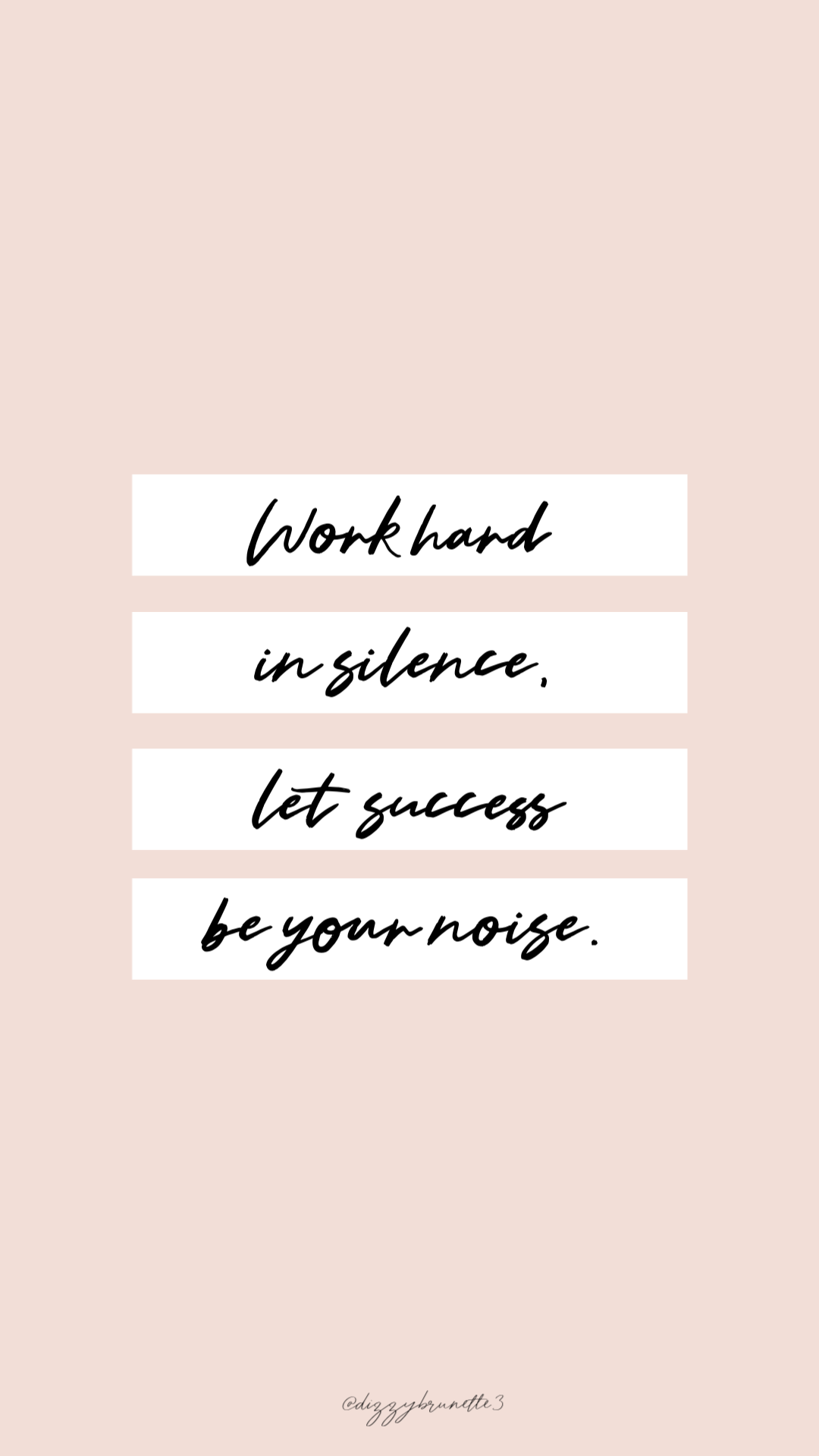
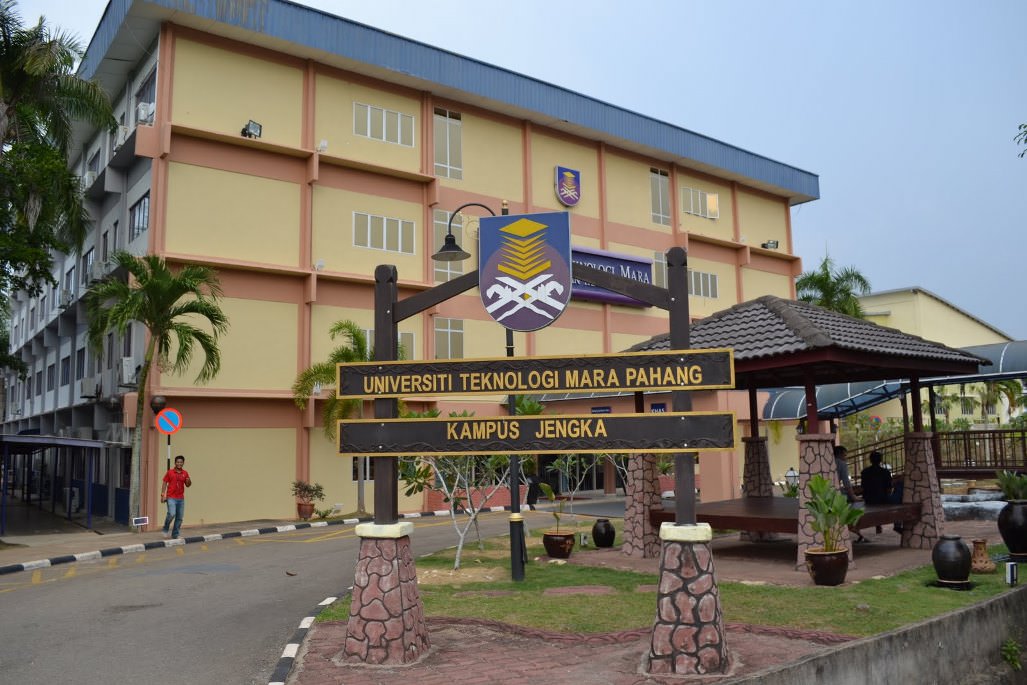
Asslamualaikum my name is Nurul Adilah bt Nor Azman . I am 18 years old . I was born in Kedah on 27 of March 2001 . Now I am currently living in Bukit Sentosa, Rawang with my family. I am studying in UITM Cawangan Pahang Campus Jengka as a diploma in science student . I was really grateful because I get the chance to study in this really beautiful campus as knows as “Campus Khazanah Alam” . I love the environment , it makes me calm ,relax and really therapeutic. I really hope this new life and journey will make me a better and successful person . Aaaminn Ya Rabb
SYLLABUS CONTENT:
WEEK 1
WEEK 2
WEEK 3
WEEK 4

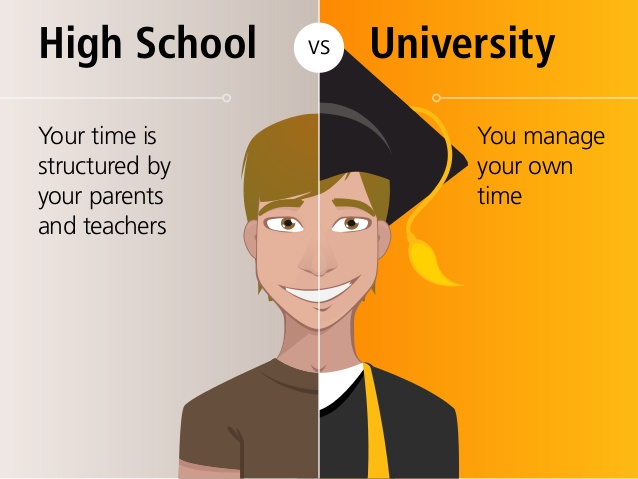
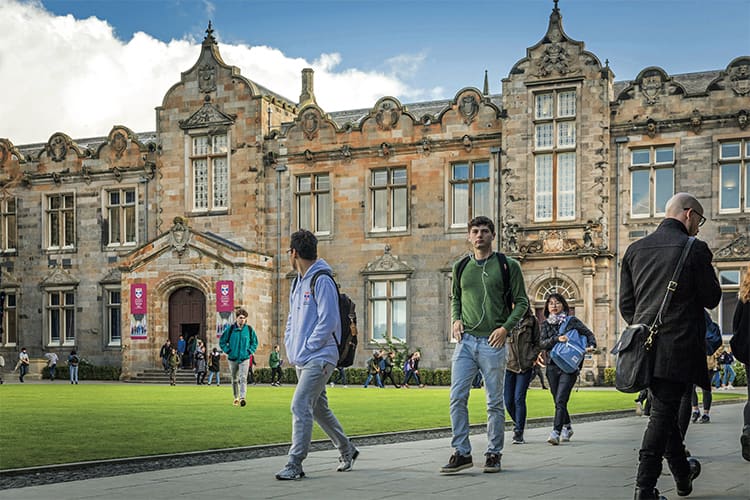
Transition from high school to further education can be a daunting yet exciting experience . School support and peer groups may change and there is often a greater responsibility for making decisions such as choosing a course to study ,selecting the right educational institution , how to organize time effectively ,managing study/work/social lives,coping with a significantly different learning environment and generally making transition from school further education.
Teaching and Learing Centre
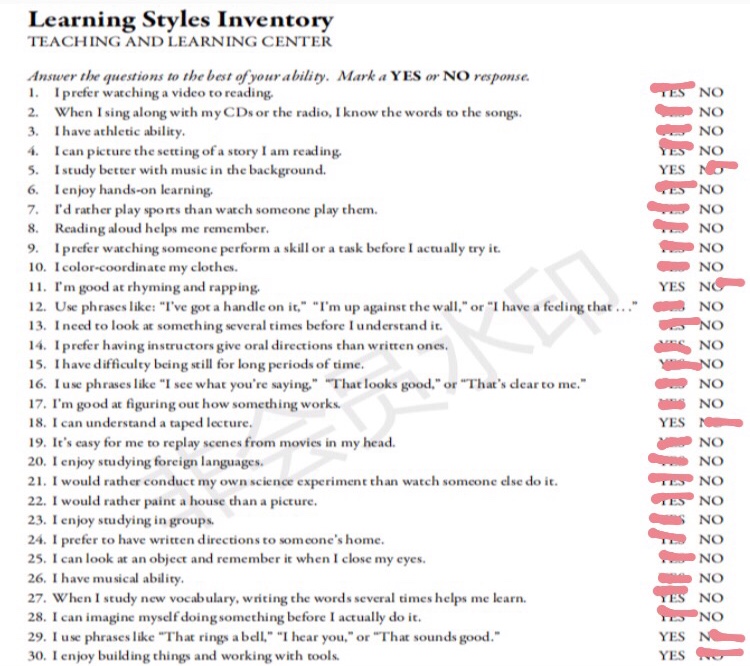
CHARACTERISTIC OF VISUAL , AUDITORY,KINESTHETIC LEARNERS
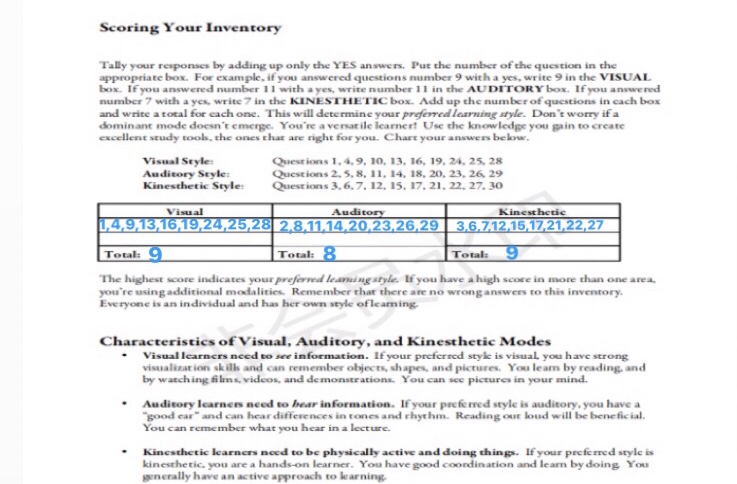
SCORRING YOUR IVENTORY
Visual
Auditory
KINESTHETIC
Visual learners:
• Create mind maps, flow charts, and diagrams using bright colors. Put them where you can view them frequently.
• Practice building your visual memory.
• Rewrite your notes using different colors.
Auditory learners:
• After you read a page in your textbook, summarize the information out loud in your own words.
• Tape your instructor’s lecture, and if you are a commuter, listen to the tape on the way home, either in your car, or on the bus or subway. • Discuss the material that you have been learning with a friend or study group.
Kinesthetic learners
• Use your hands. Cut up charts and diagrams. Create flash cards and move them around with large, sweeping movements.
• Walk and talk the information. Recite as you move.
• Type on a computer keyboard. You are using your muscle memory
MY PERSONAL LEARNING STYLE PLAN:
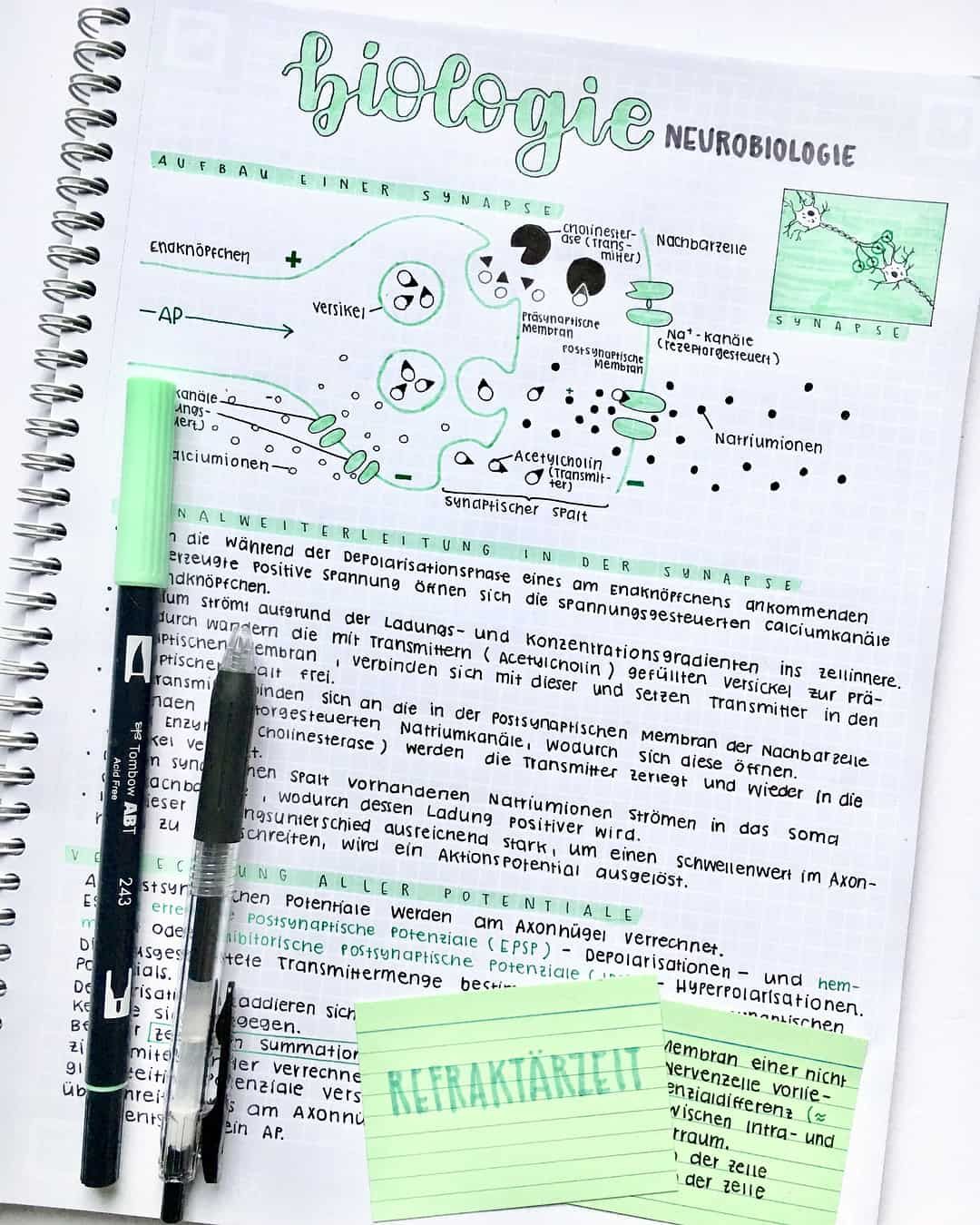
2. Rewrite you notes using different colours= After I done writing my notes , I usually take a piece of blank paper and try to write again the exact notes that I make. It makes me remember more what the topics that i learnt on that day
3.Create flash card and move them around with large ,sweeping movements = I really enjoy using flashcard , its more easier to remember and I can bring it anywhere and anytime I want because it easy to carry and put them in my bag . I always put terms and facts that I hard to remember so if I read it oftenly it will helps me to remember it.
4. Walk and talk the information.Recite as you move= Whenever I walk or jogging I always recite my notes that I have done it on that day or while my friends and I walk to go to class I will talk to them about the topic that we will learn roughly .
10 STEPS TO SUCCEED IN COLLEGE
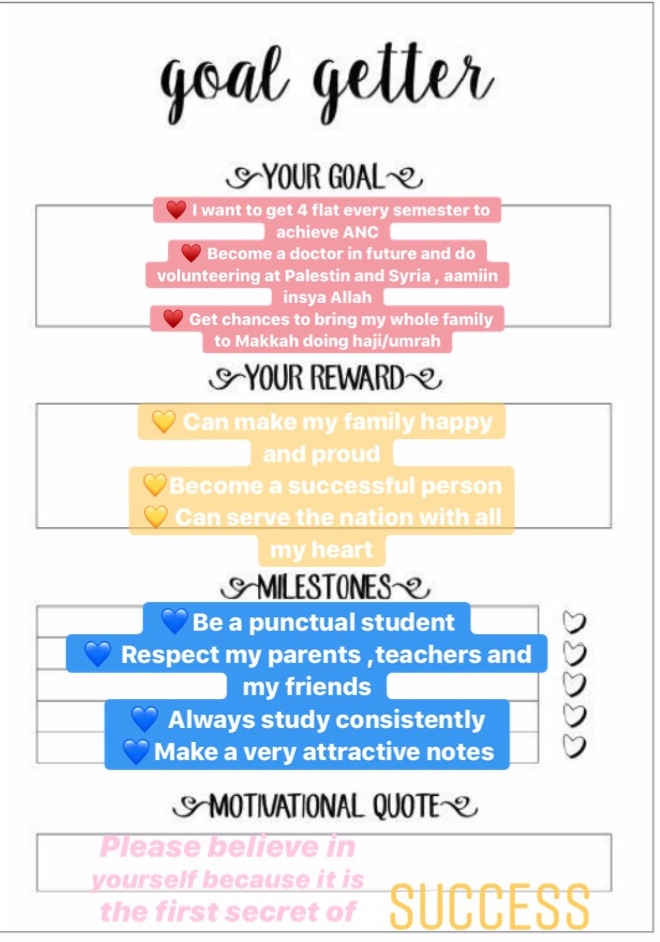
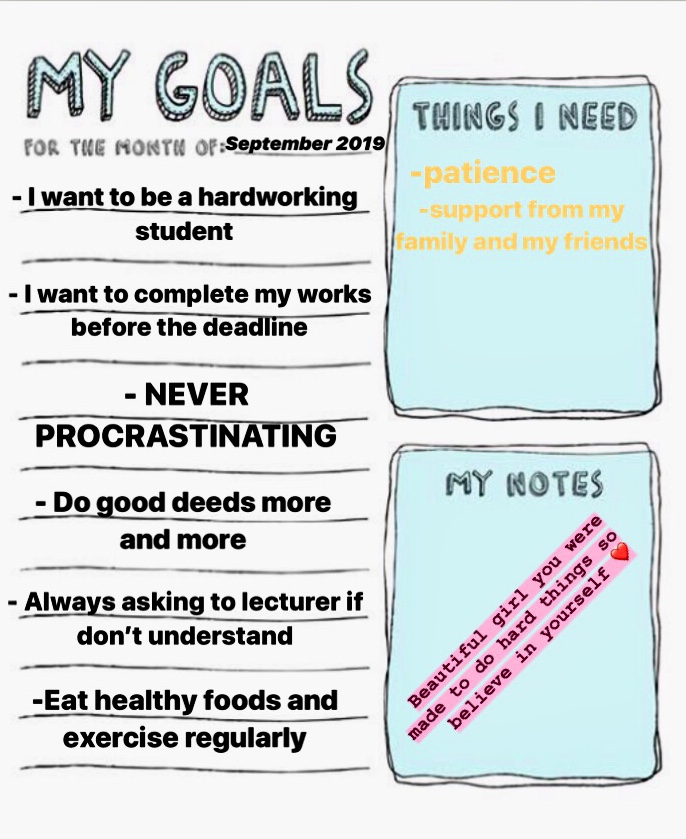
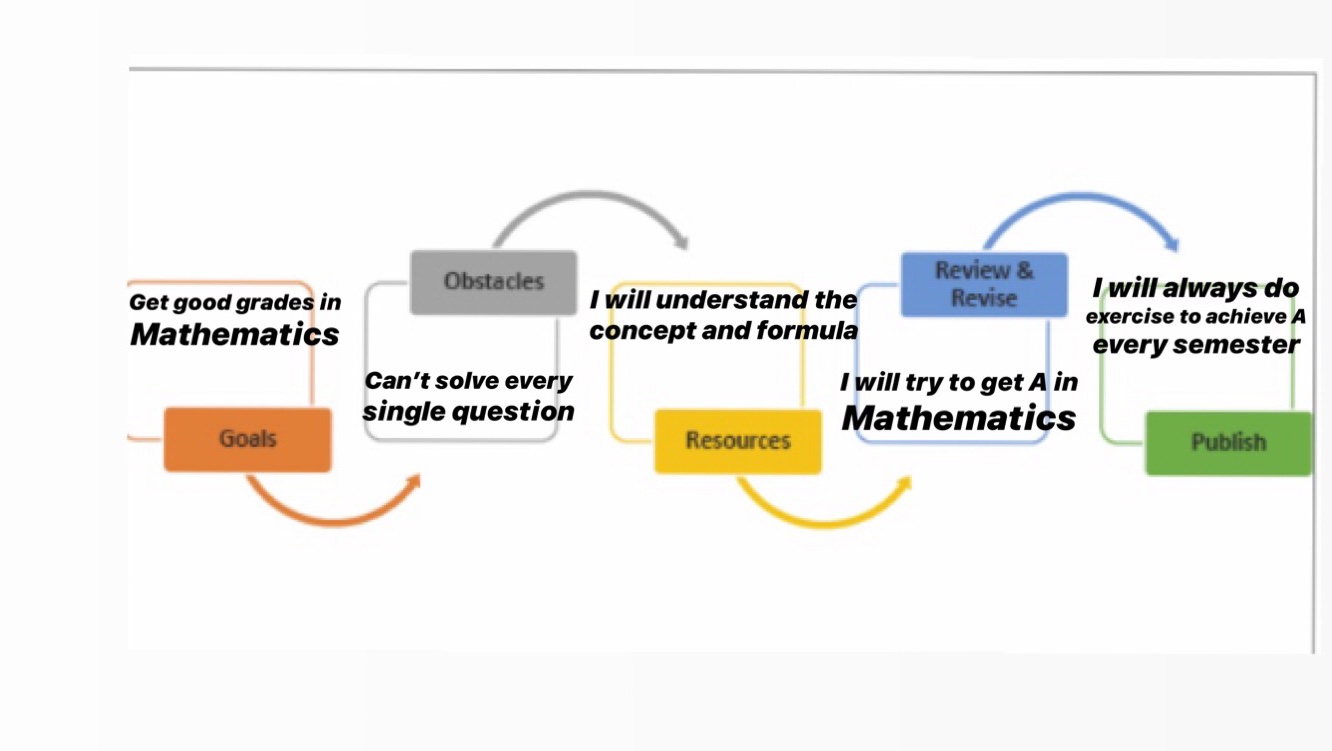
MY GOAL
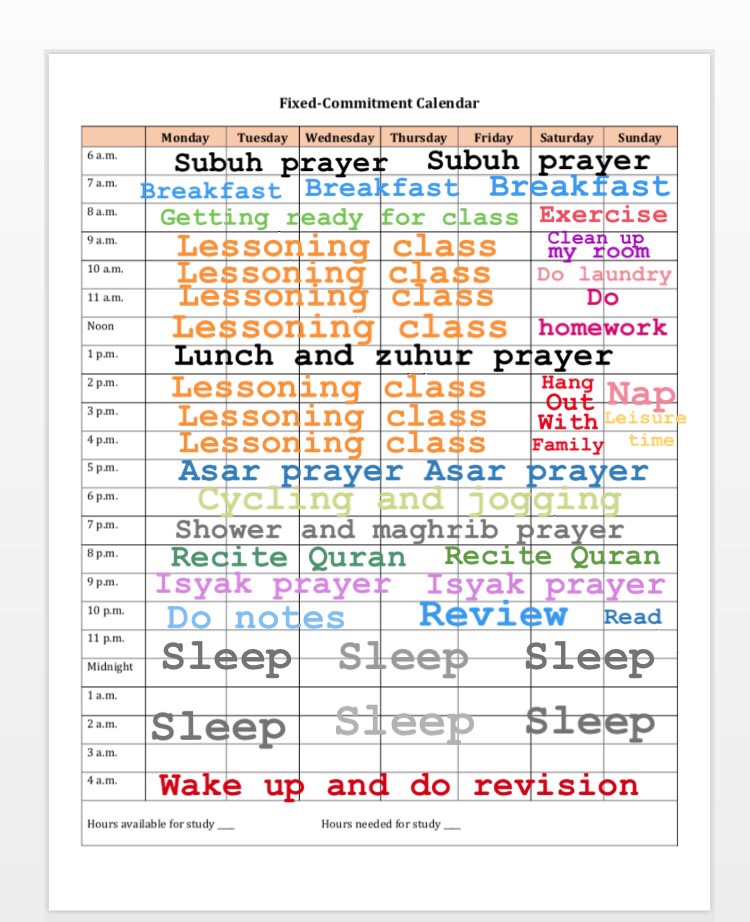
FIX-COMMITMENT CALENDER
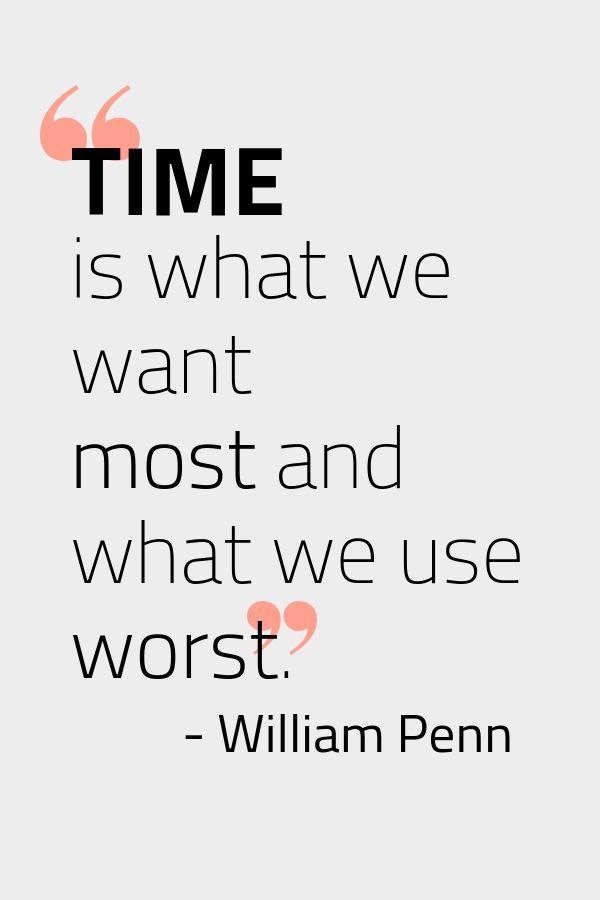
1. You can never get it back
2. You only have 24 hours in a day
3.You can trade time for money
4.You can leverage your time
5. You can make the most of what you have
PRIOTIZED TASK LIST
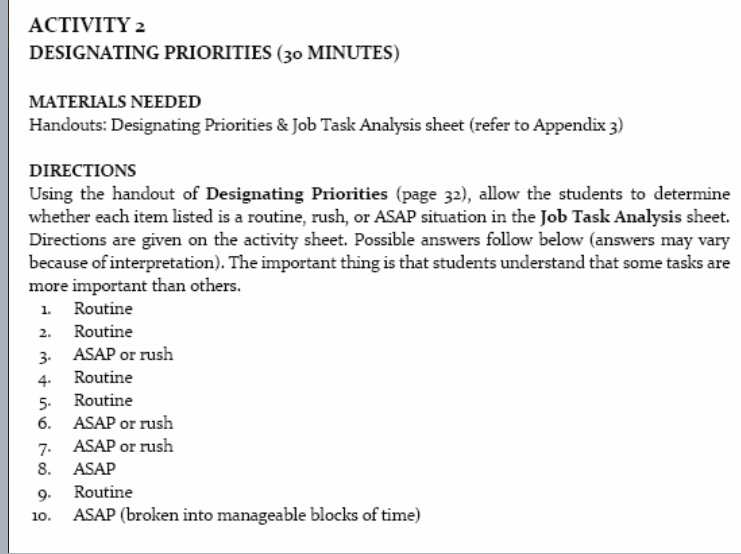
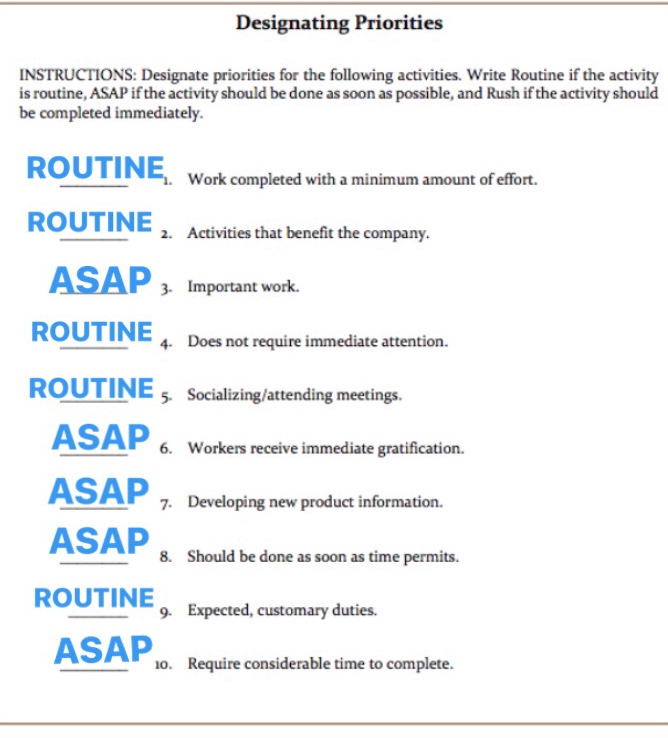
ACTIVITY 1
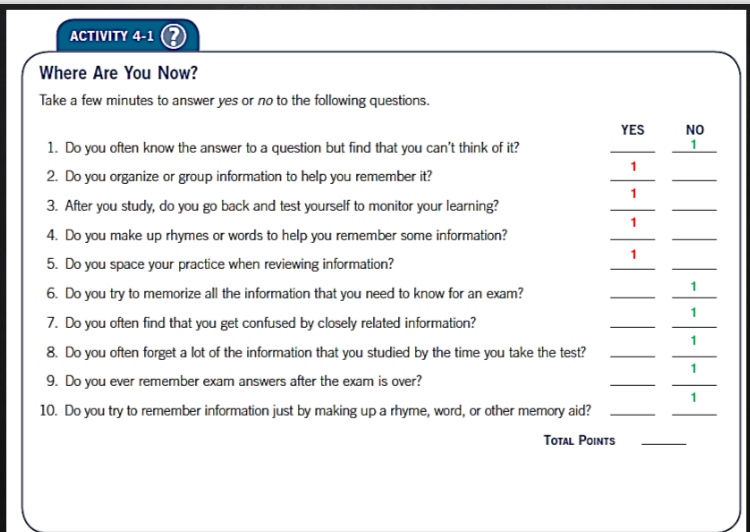
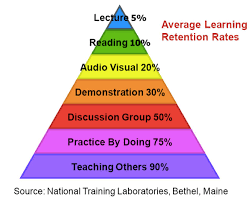
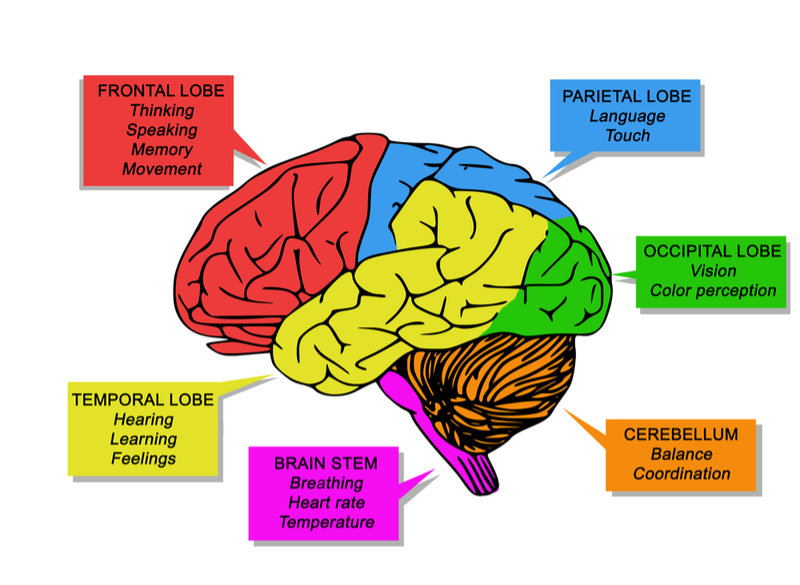
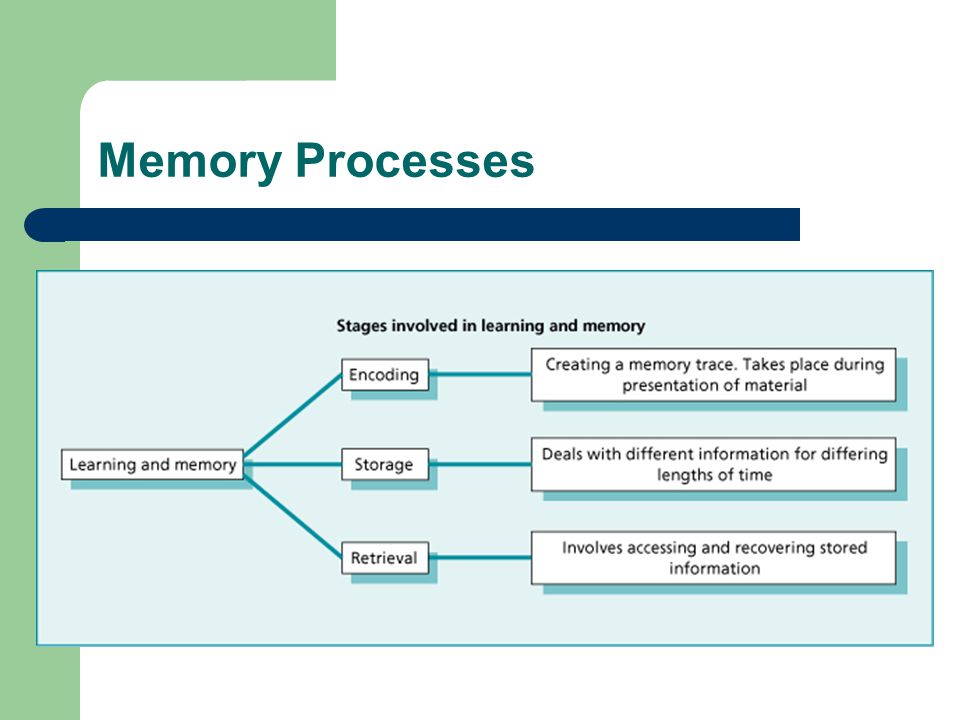
MEMORY PROCESSES
ACTIVITY 2
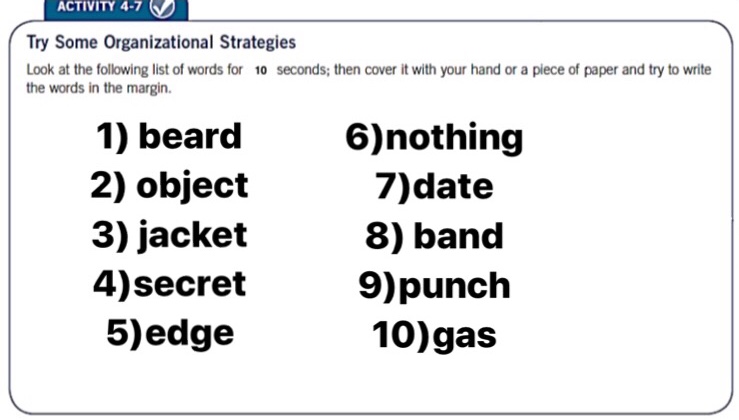
MEMORY STRATEGIES

Memory strategies refer to any of a broad set of techniques that are designed to help one remember. Such strategies range from everyday, external aids (e.g., using a planner) to internal memory strategies (e.g., mnemonic devices) that facilitate storage and retrieval from long-termmemory.
ACTIVITY 3
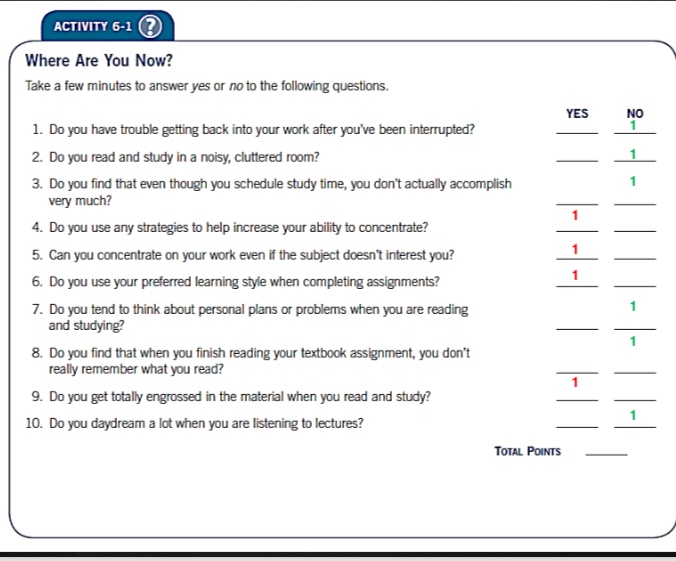
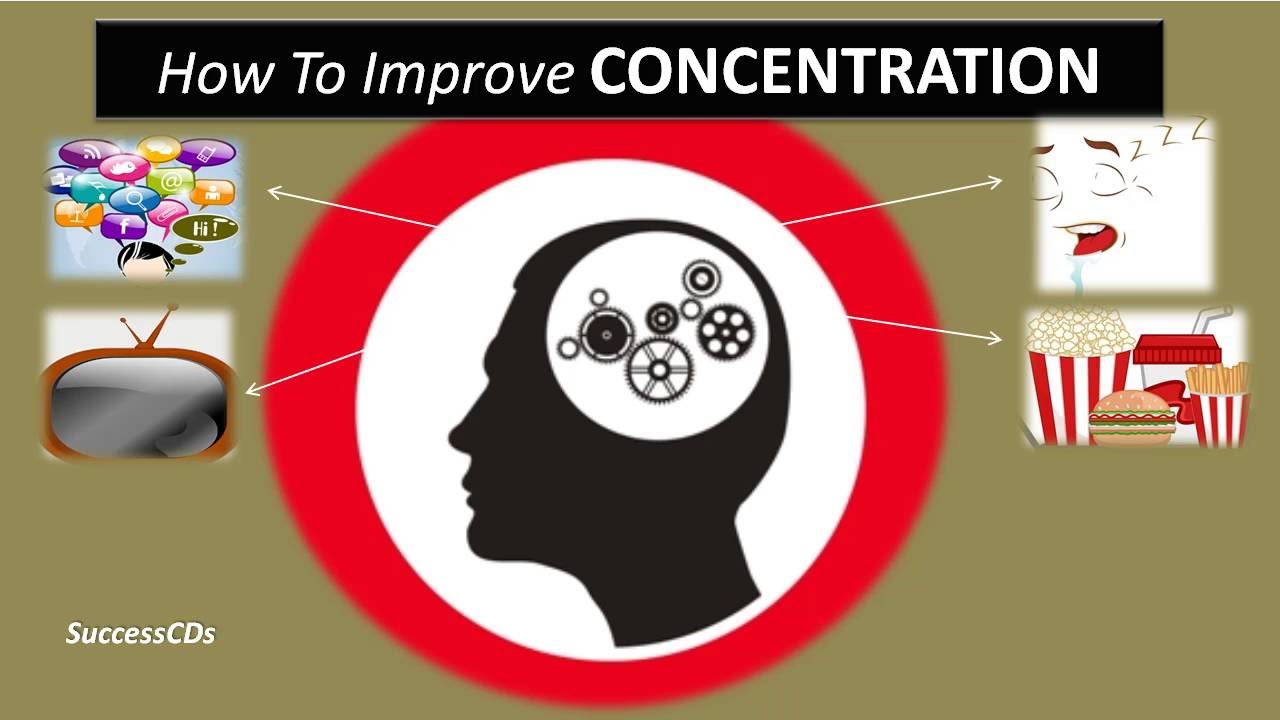
HERE ‘S SOME STRATEGIES
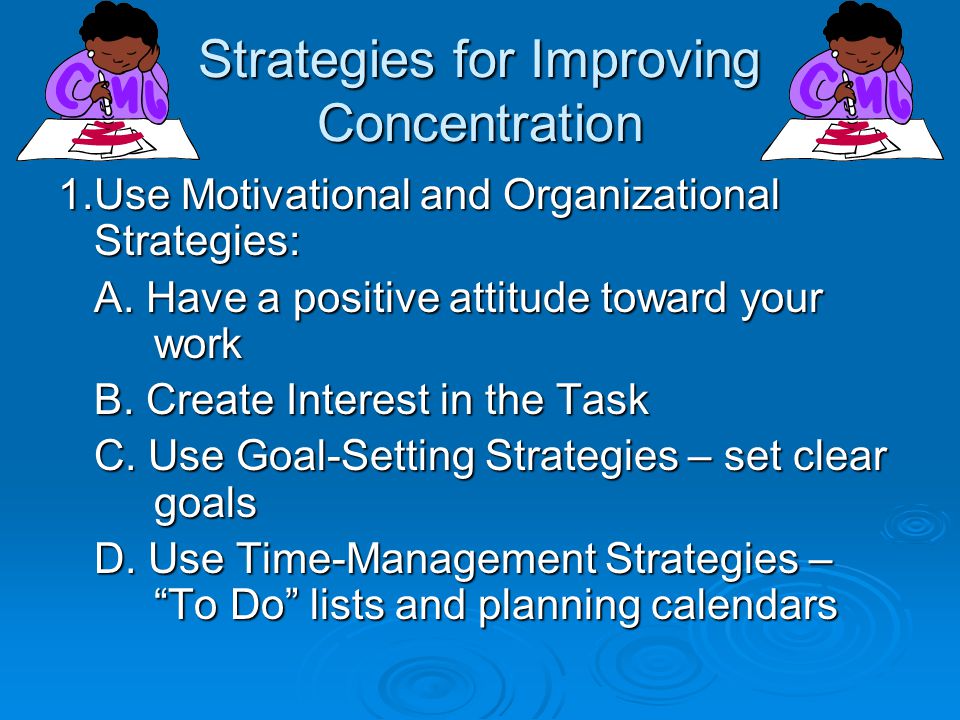
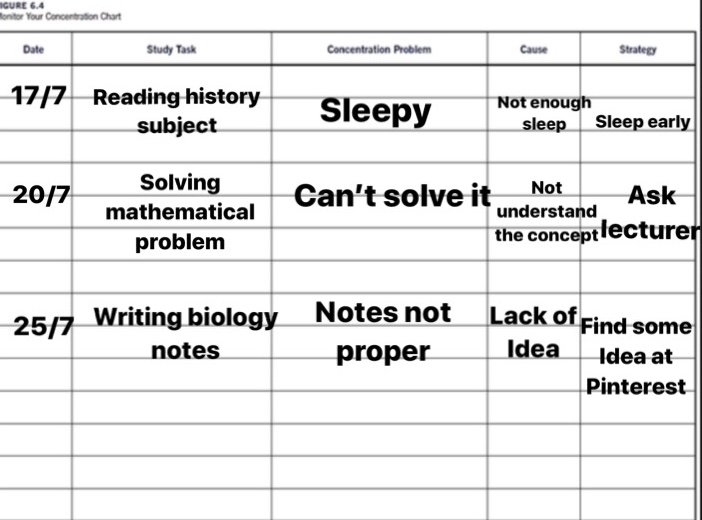
ACTIVITY 4
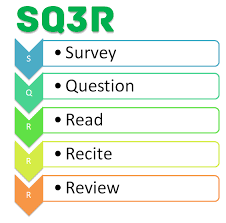
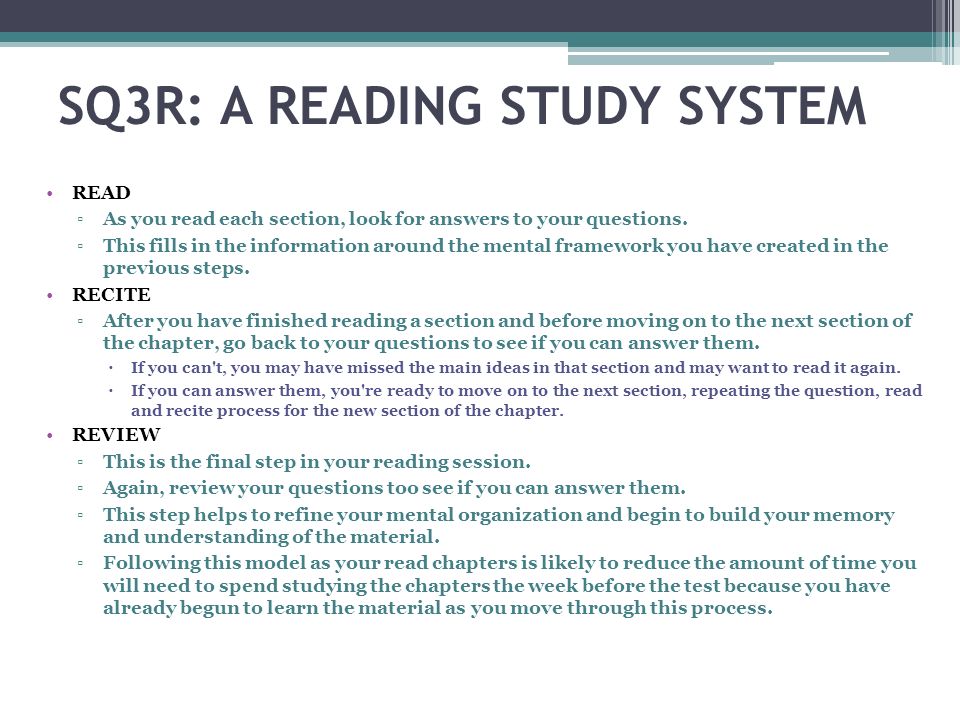
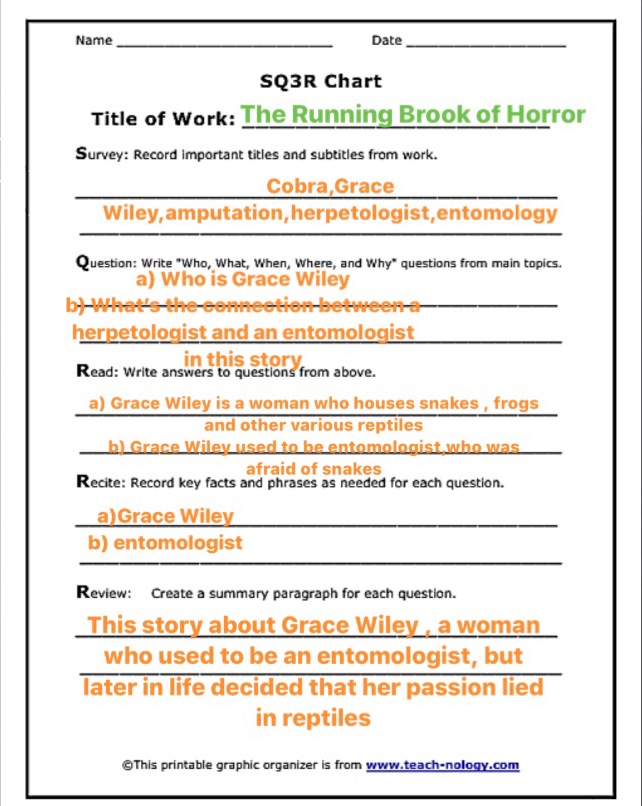
READING /STUDY SYSTEM (SQ3R)
ACTIVITY 5
NOTES TAKING EXERCISE USING THE CORNELL METHOD

2. Why take lecture notes?
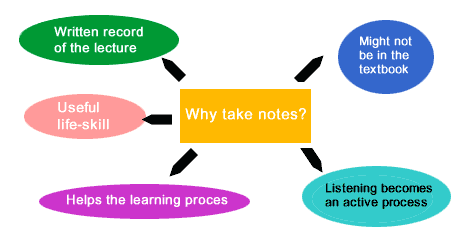
3. How do we take notes effectively?
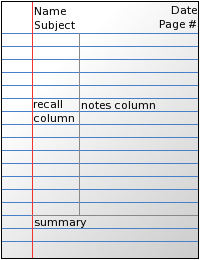
USING CORNELL NOTE TAKING METHOD
he Cornell method provides a systematic format for condensing and organizing notes. This system of taking notes is designed for a high school or college level student. There are several ways of taking notes, but one of the most common one is the “two column” notes.
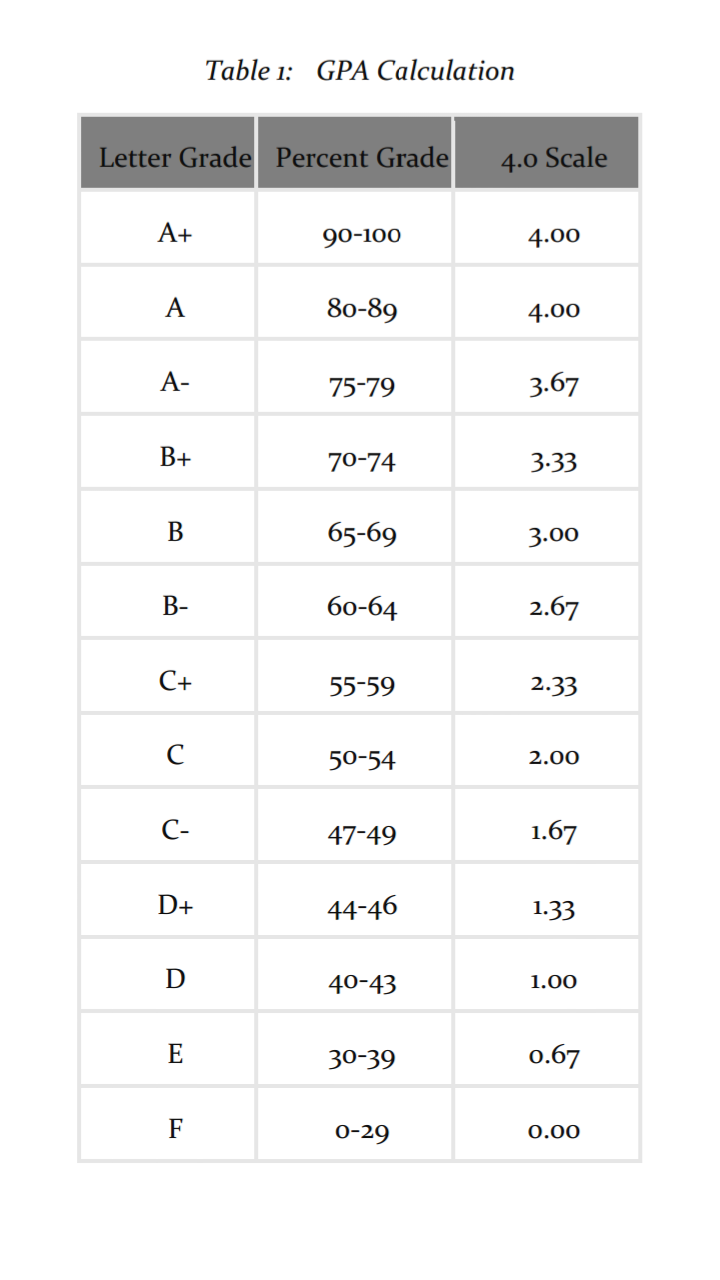
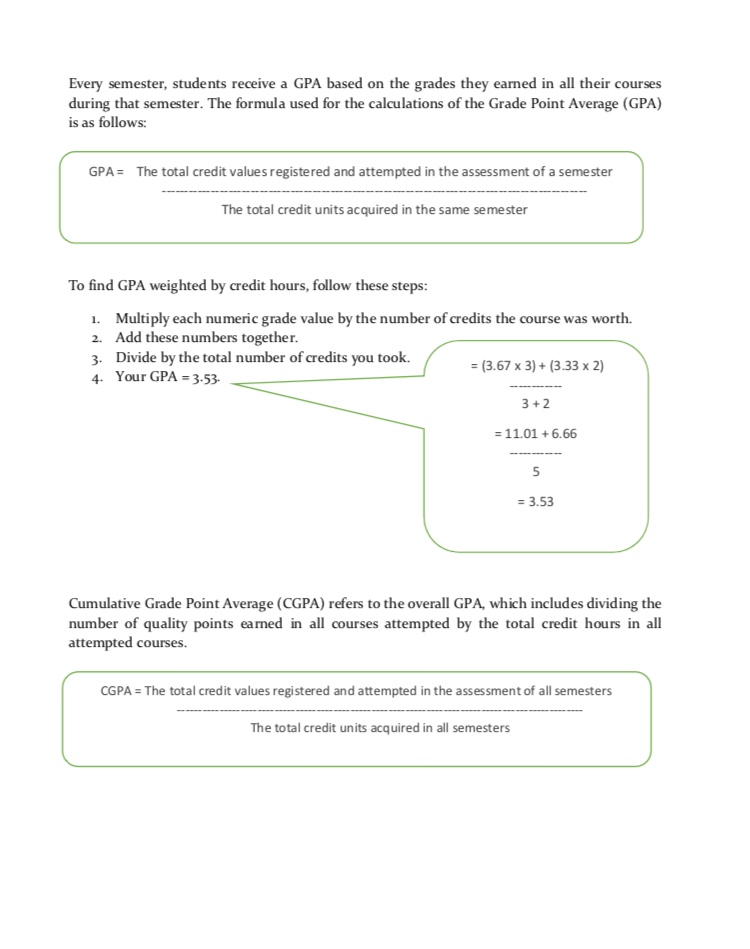
CALCULATING GRADE POINT AVERAGE
A grade point average is a number representing theaverage value of the accumulated final grades earned in courses over time. More commonly called a GPA, a student’s grade point average is calculated by adding up all accumulated final grades and dividing that figure by the number of grades awarded
EXERCISE
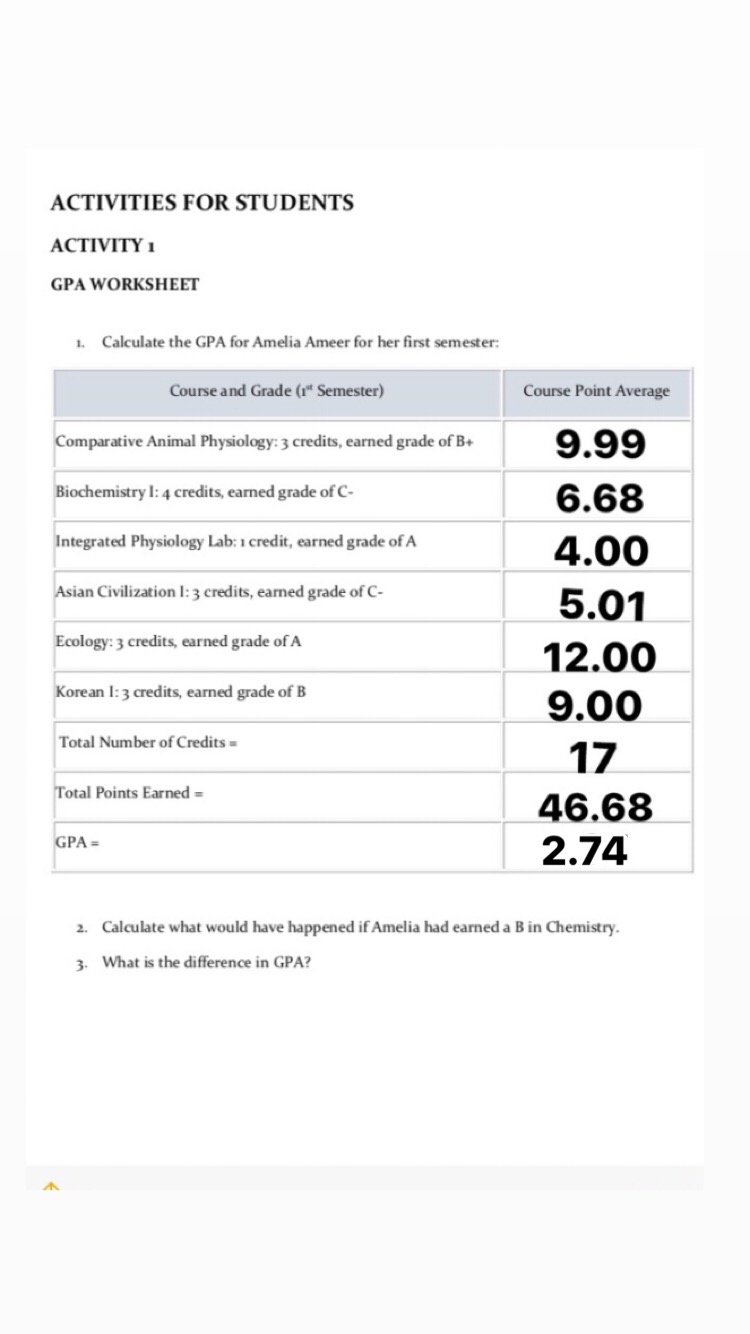
She will earned 12 point average in Chemistry
2. What is the difference in GPA
she will earned 3.65 in GPA
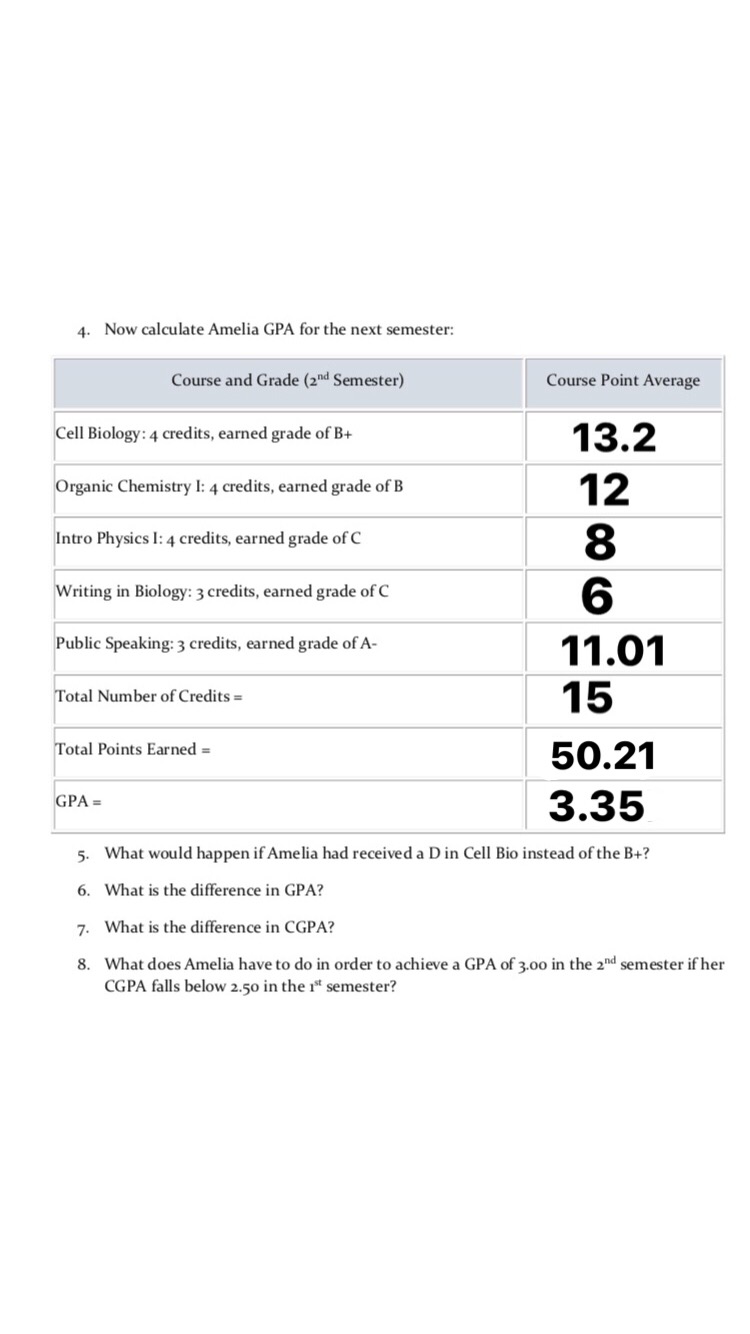
3. What would happen if Amelia had received a D in Cell Bio instead of the B+?
She will earned 4.00 point average in Cell Bio
4.What is the difference in GPA?
She will earned 2.814 for the GPA
5.What is the difference in CGPA?
She will earned 2.7 instead of 3.0 in CGPA
6. What does Amelia have to do in order to achieve a GPA of 3.00 in the second semester if her CGPA falls below 2.50 in the first semester?
1) Academic affairs office (HEA)
manage all academic affairs of the university.
06-558 2004
2) Student affairs office (HEP)
to provide services to students’ welfare.
03-554 3532
3) Research and management(PJI)
to address issues and needs to provide solutions.
06-558 2094
4) Bursary(BENDAHARI)
to manage financial and procurement resources.
06-558 2000
5) Library
providing the latest information resources to support teaching, learning and research.
06-558 2086
6) Aid police office
to control the safety of the residents
06-558 2867
7) Health unit
to offer basic medical and health care to residents.
06-264 5733
8) Counseling unit
to provide student counseling and career development process.
06-264 5122

Plagiarism is the “wrongful appropriation” and “stealing and publication” of another author’s “language, thoughts, ideas, or expressions” and the representation of them as one’s own original work.Plagiarism is considered academic dishonesty and a breach of journalistic ethics.
This is an example post, originally published as part of Blogging University. Enroll in one of our ten programs, and start your blog right.
You’re going to publish a post today. Don’t worry about how your blog looks. Don’t worry if you haven’t given it a name yet, or you’re feeling overwhelmed. Just click the “New Post” button, and tell us why you’re here.
Why do this?
The post can be short or long, a personal intro to your life or a bloggy mission statement, a manifesto for the future or a simple outline of your the types of things you hope to publish.
To help you get started, here are a few questions:
You’re not locked into any of this; one of the wonderful things about blogs is how they constantly evolve as we learn, grow, and interact with one another — but it’s good to know where and why you started, and articulating your goals may just give you a few other post ideas.
Can’t think how to get started? Just write the first thing that pops into your head. Anne Lamott, author of a book on writing we love, says that you need to give yourself permission to write a “crappy first draft”. Anne makes a great point — just start writing, and worry about editing it later.
When you’re ready to publish, give your post three to five tags that describe your blog’s focus — writing, photography, fiction, parenting, food, cars, movies, sports, whatever. These tags will help others who care about your topics find you in the Reader. Make sure one of the tags is “zerotohero,” so other new bloggers can find you, too.
Have a WordPress.com account? Log in now.

